Introduction
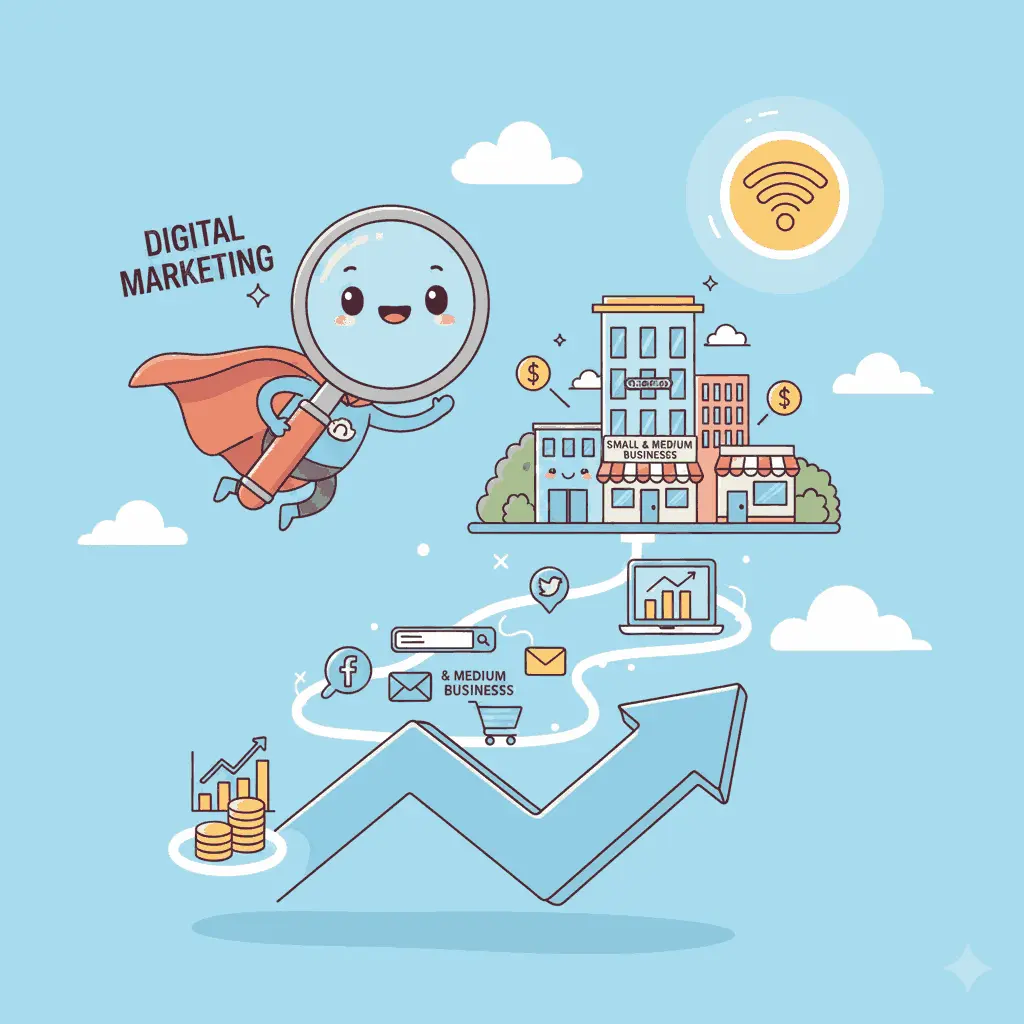
The Role of Digital Marketing in Small and Medium Businesses, are essential to the functioning of the economy. They support local communities in many ways, foster innovation, and give millions of people jobs. Despite their significance, these companies frequently find it difficult to thrive in the cutthroat market of today. The majority of SMBs have tight budgets and must contend with fierce competition from larger businesses. They lack the financial resources to maintain sizable marketing teams or make significant advertising expenditures, in contrast to large corporations. Due to these constraints, small and medium-sized enterprises must rely on clever, useful, and affordable marketing techniques guided by a skilled digital marketer in order to expand and remain relevant.
For small and medium-sized businesses, this is where digital marketing becomes particularly crucial. It has altered how these companies interact with clients and advertise their products over time. SMBs can now use digital platforms to more easily and affordably reach people instead of relying solely on traditional methods. Additionally, digital marketing enables companies to know what their customers want and react appropriately. In a world where the majority of people use the internet for shopping and information, digital marketing is now a crucial component of managing a business rather than merely an extra choice.
Understanding Digital Marketing in the Context of SMBs
The use of online platforms to advertise goods, services, or brands is known as digital marketing. In their daily digital lives, people encounter websites, search engines, social media platforms, email correspondence, and online advertisements. Due to its flexibility and low cost, digital marketing is particularly helpful for small and medium-sized businesses. Digital marketing is both practical and cost-effective for businesses because they can select approaches that best fit their needs and modify their plans in response to outcomes.
Traditional forms of marketing such as newspapers, radio, and television usually demand a high amount of money, and even then, businesses have very little control over who actually sees the advertisement or how effective it is. For small and medium businesses, this can be a major drawback. Digital marketing works differently. It allows businesses to concentrate on specific groups of customers, keep track of how their campaigns are performing, and make changes whenever necessary. This kind of flexibility is extremely helpful for businesses that have limited resources and cannot afford to waste money on ineffective promotion.For SMBs, digital marketing is not just about promotion; it is about creating visibility, building relationships, and establishing credibility in a competitive digital environment.
Cost-Effective Promotion and Better Return on Investment

For small and medium-sized businesses, one of the main advantages of digital marketing is its low cost. Since most SMBs have limited funds, it’s not always possible to spend a lot of money on traditional forms of advertising like print or television. The best thing about digital marketing is that companies can see how well their campaigns are performing, and it offers less expensive options that still produce results. This makes it simpler to allocate funds sensibly and concentrate on tactics that are truly effective.
Small businesses can reach customers in a number of cost-effective ways. They can send emails to potential clients directly, enhance their websites to appear in searches, or post on social media. Paid advertisements are another option, and the benefit is that companies can manage their budget and modify their campaigns as necessary. When determining what is worth the money, they can even see how many people have clicked on a post or signed up for something.
Building Brand Visibility and a Strong Online Presence
One of the biggest challenges smaller businesses face is being noticed online. Most people are informed by, compare products on, or decide what to buy based on the internet. If a business does not have an online presence, then it is very easy for potential customers to miss it altogether.
Search engine optimization, or SEO, is especially important in this case. When people search online for products or services, they usually click on businesses that appear at the top of the results. Seeing a business on the first page often makes it feel more reliable. Digital marketing helps businesses show up in these places where customers are already searching.
With time and consistent online activity, a brand slowly becomes more familiar to people. This regular visibility helps build trust and makes the business seem more credible, which is important if it wants to grow and stay relevant in the long run.
Reaching the Right Audience at the Right Time
One of the most powerful features of digital marketing is its ability to target specific audiences. Unlike traditional marketing, which often reaches a broad and undefined audience, digital marketing allows SMBs to focus on people who are most likely to be interested in their offerings.
Businesses don’t have to show the same advertisement to everyone when they use digital marketing. Depending on a variety of factors, they can decide who they wish to contact. For instance, where people reside or what they typically look up online. While an online retailer might concentrate on customers who have previously searched for similar products, a local store might want to reach people in the vicinity. Because it reaches people who might genuinely be interested, this increases the significance of marketing.
This kind of targeting makes marketing feel more relevant instead of random. When the right people see the message at the right time, there is a better chance they will respond, whether that means clicking, enquiring, or making a purchase. As a result, marketing efforts tend to work better and create more impact. It helps businesses connect with the right people more effectively.
Conducting Competitor Research Through Digital Marketing
Understanding competitors is an important part of running any business, especially in markets where many businesses are trying to attract the same customers. Digital marketing has made this process much easier and more practical than before. By looking at competitors’ websites, social media pages, and online promotions, businesses can get a clear idea of how others are presenting themselves. Paying attention to the kind of content they post, how often they interact with people, and how customers react can reveal useful patterns and expectations. These small observations help businesses understand what works in the market and where they can improve or stand out. Such insights make it easier for businesses to improve their own approach.
Examining search results can reveal the terms that rivals are attempting to rank for as well as their online personas. Social media also provides helpful hints, like the tone they employ, the way they market their content, and the way they engage with others. Businesses can gain a better understanding of what seems to work, what doesn’t, and where there may be space for change by paying attention to these little details.
Copying other companies is not the goal of competitor research. Understanding what works in the market and where there is potential for change is the key. Businesses can stay current, learn from their mistakes, and eventually make better decisions by keeping an eye on their competitors. Instead of relying on guesswork, this strategy helps businesses grow with clarity.
Strengthening Customer Relationships and Engagement
Customer relationships play a major role in the long-term success of small and medium businesses. Unlike large corporations, these businesses often grow through trust, repeat customers, and personal recommendations. Digital marketing makes it easier to stay connected with customers in simple and meaningful ways, rather than limiting interaction to occasional promotions.
Social media gives businesses a chance to talk directly with people, answer their questions, and clear up doubts in real time. Email, on the other hand, helps them reach customers in a more personal way by sharing updates, special offers, or useful information. Platforms like WhatsApp make communication even easier by allowing quick and convenient conversations.
Staying in touch with customers like this helps build trust and keeps the relationship strong. When people feel that a business listens to them and cares about their needs, they’re more likely to stick around and even tell others about it. When done consistently. It helps the business grow through trust and word of mouth. This kind of steady effort can turn customers into loyal advocates who spread the word for you.
Social Media Marketing and Community Building
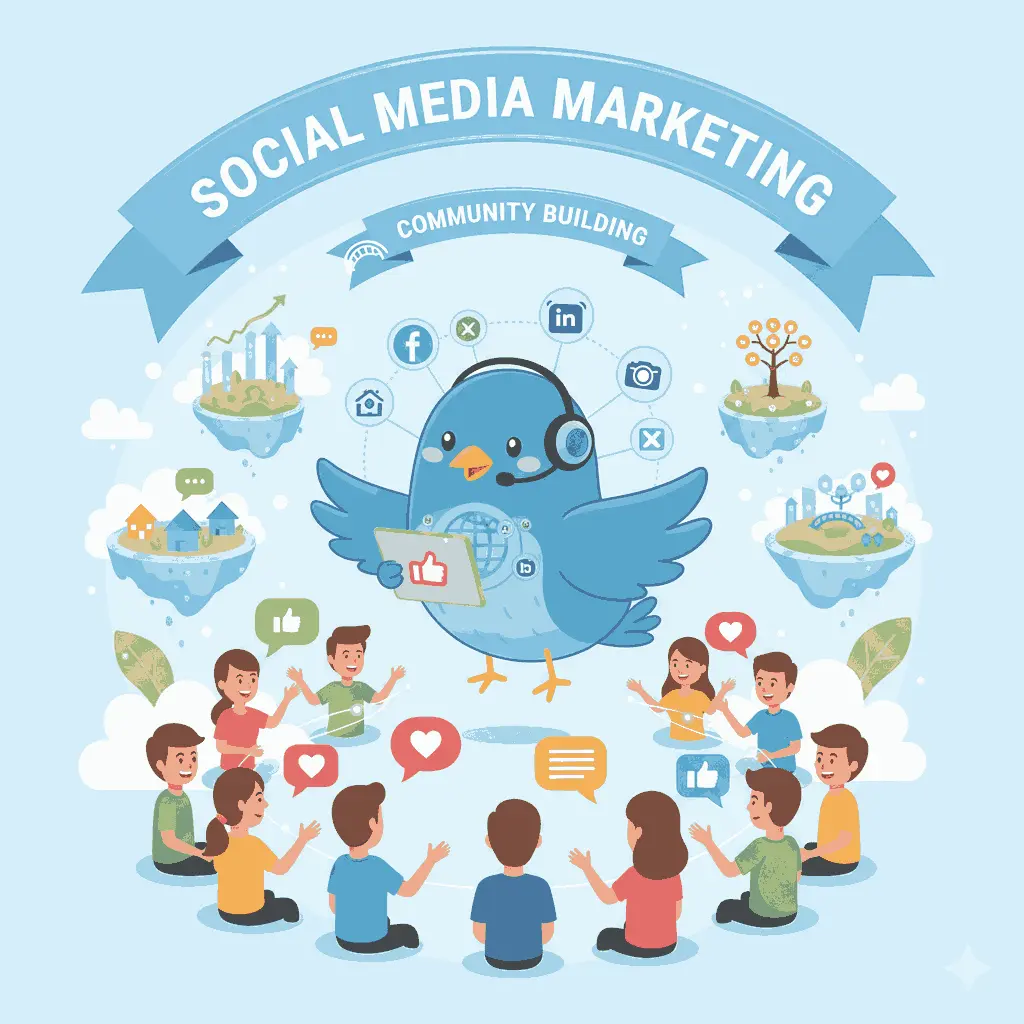
Small and medium-sized businesses can showcase their human side through social media marketing. Small businesses can use social media to communicate like real people, in contrast to large corporations that frequently feel aloof. They can talk about their values, their journey, their challenges, and the small things that make them special. Customers are better able to relate to and trust the brand because of its transparency.
It feels less like marketing and more like a conversation when companies post frequently, respond to comments, and actually engage with their audience. As time goes on, this develops into more than just a clientele. Because the brand seems familiar and relatable, people start to trust it. Customers are more inclined to interact, express their opinions, and spread the word about the company to others when they sense that connection. These real connections are more important in the long run than any paid advertising.
Supporting Business Growth and Scalability
Introducing a new product, reaching out to a new audience, or simply trying to stay connected with existing customers, digital marketing offers the flexibility to grow steadily and confidentlyAs small businesses grow, their marketing naturally needs to grow with them. One of the biggest strengths of digital marketing is how easily it adapts to change, allowing businesses to scale without turning everything upside down. Campaigns can be tweaked, expanded, or reshaped based on what’s working and how customers respond. Whether a business is , without unnecessary pressure or cost.
Conclusion
Digital marketing has become an essential part of growth for small and medium businesses. It helps them get noticed, connect with the right customers, understand what competitors are doing, and build strong relationships with their audience, all without spending beyond their limits. More than just a promotional tool, digital marketing gives SMBs the confidence to compete with bigger brands and grow at their own pace in an increasingly digital world.